Ovulation Signs and Symptoms (Top 12 Fertility Signs)





 Your body provides signs about when you are ovulating.
Once you know these ovulation symptoms, you can increase your chances of getting pregnant faster by ensuring you get the timing of intercourse right (during the days leading up to ovulation).
What you're going to learn:
- How to detect the 12 signs of ovulation
- When you are most fertile
- How to predict when these days are, each cycle
- The two days each cycle you should have sex (most people get this wrong!)
Below is a list of the 12 signs of ovulation you're going to learn. You'll learn how to correctly identify the symptoms, this is the key to getting pregnant naturally.
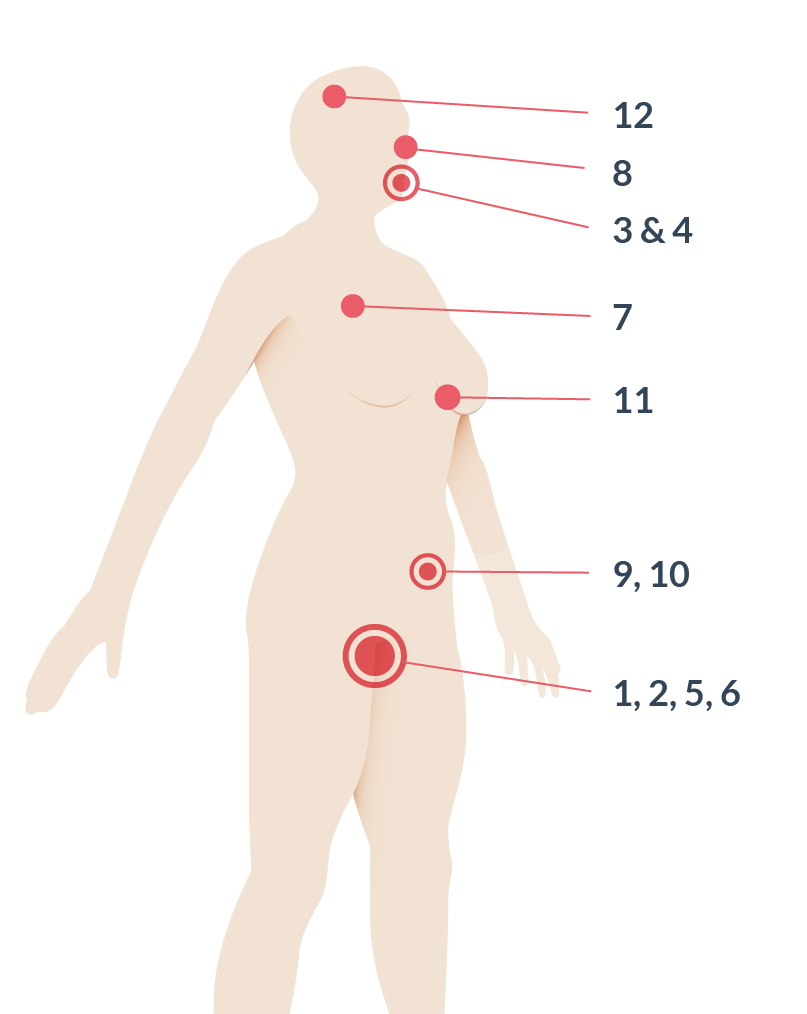
The 12 Ovulation Symptoms are:
1. Cervical mucus changes
2. Cervix position changes
3. A rise in basal body temperature
4. Saliva ferning
5. LH levels in urine
6. Slight spotting
7. Increased sexual desire
8. Heightened senses
9. Ovulation pain
10. Abdominal bloating
11. Breast tenderness
12. Nausea or headaches
Read on to learn how to identify these. Watch the quick videos too.
The good news;
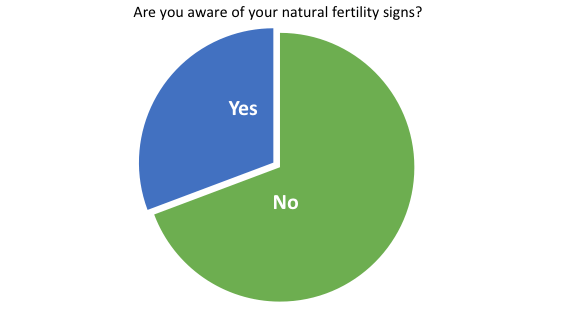
You're going to know more than 69% of women trying to conceive.
We asked 9,863 women who were trying to conceive, if they were aware of their natural fertility signs, only 31% said yes.
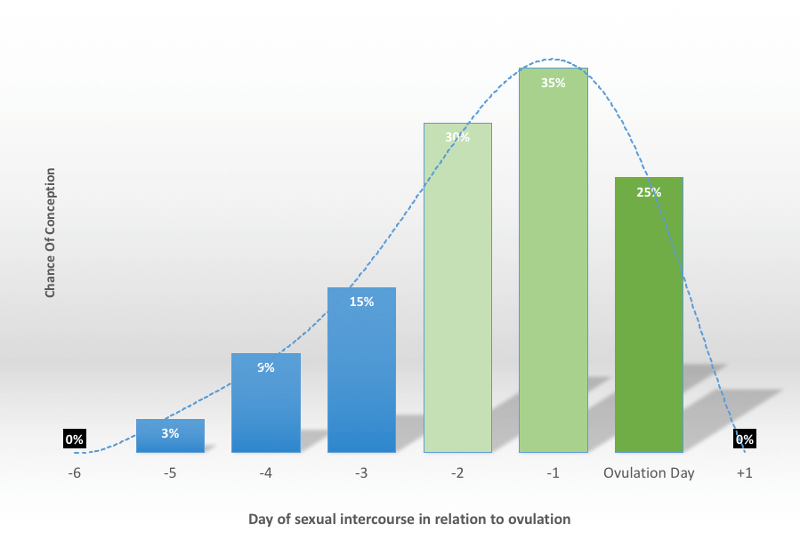
Did you know that you have a fertile window of only six days each cycle? This is due to the fact the sperm can survive for up to five days in optimal conditions (more on this later) and your egg can survive for up to 24 hours.
Your most fertile days are the two days leading up to ovulation day. Learn when this is for you.
The following chart represents chances of conception from sexual intercourse during your fertile window.
What is ovulation?
Put simply, ovulation is the release of an egg from an ovary. The egg only lives for up to 24 hours unless fertilized. What's more, you only ovulate about 400 times in your lifetime.
When do you ovulate?
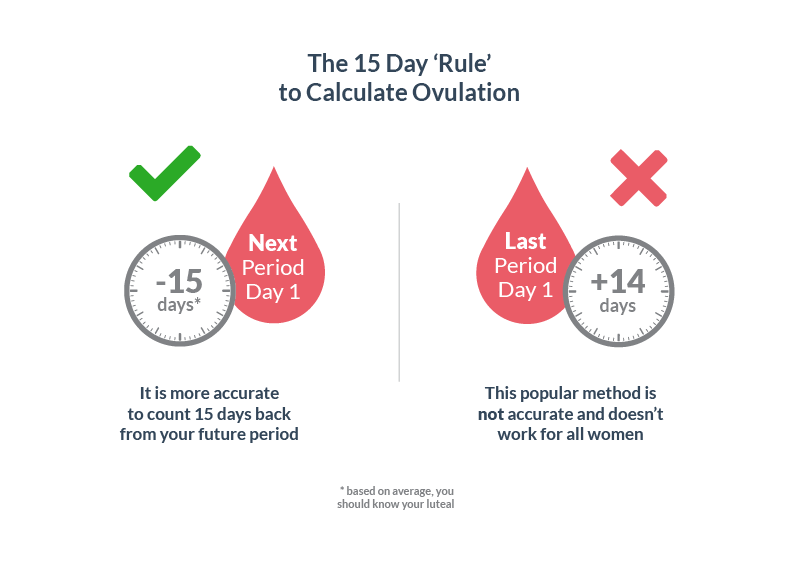
The short answer to this is most women ovulate 15 days before their next period. Calculate when you ovulate with our free tool.
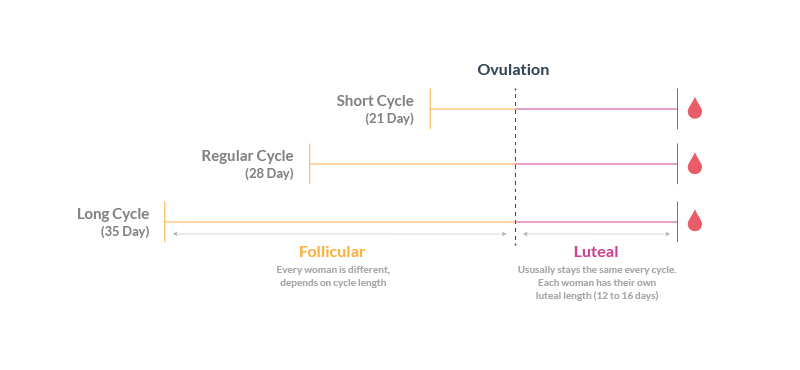
Here's why; The menstrual cycle is split into phases (you'll learn more about these below). The length of the phase after ovulation until the day before the next period (luteal phase) is normally between 12 and 16 days, with the average length being 14 days. The luteal phase remains fairly consistent for the same women. In contrast, the phase before ovulation (follicular phase) can vary from cycle to cycle for the same women.
The follicular phase begins on the first day of your period and ends on the day of ovulation. The luteal phase begins the day after ovulation until the day before your next period.
The image below will help you understand this further. Click on the image below to see a larger view.
This 15 day rule is based on the average. Once you know your luteal phase you will be able to calculate how many days before your next period you should ovulate.
What are the symptoms of ovulation?
It's easier to identify these when you first understand the events that occur during the menstrual cycle.
Your menstrual cycle begins on the first day of your period and ends on the day before your next period.
The average cycle length is 28 days, but anything between 21 and 35 days is considered normal. For the purpose of describing the events, we will use a 28-day cycle.
The menstrual cycle is controlled by hormones and can be described as the event of changes which occur in the uterus and the ovary.
Pattern of events that happen in the uterus and ovary each cycle.
| Cycle Days | Uterus | Ovary |
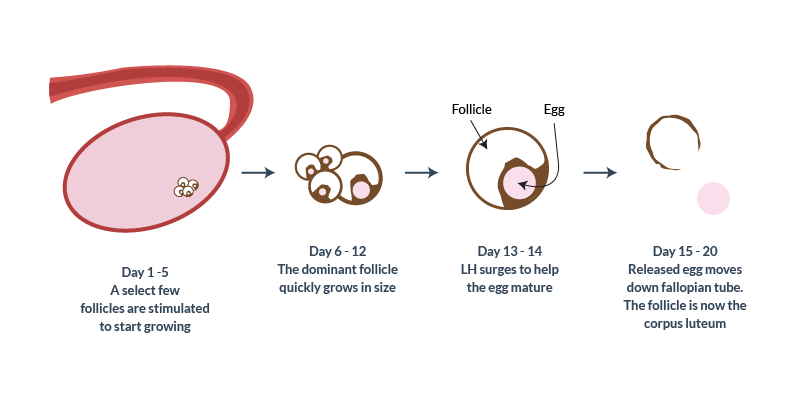
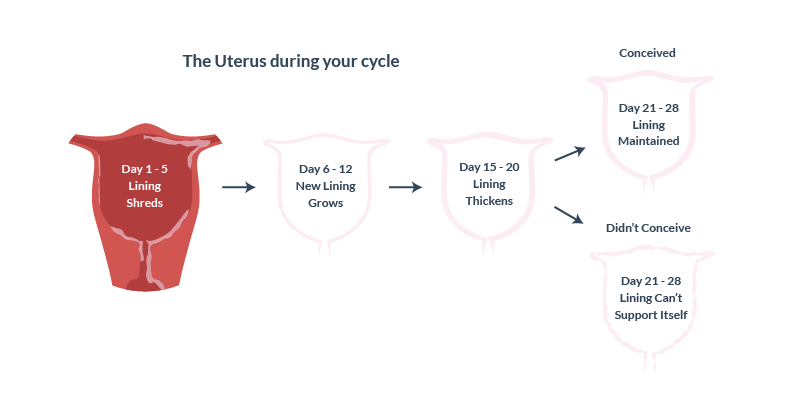
| 1-5 | At the beginning of each cycle, your uterus shreds the lining (endometrium) that was built in the previous cycle in preparation for a new lining. | A few follicles (capsules, each containing an undeveloped egg) are stimulated to grow in the ovary. Only one will become the dominant follicle that will release its egg during this cycle. |
| 6-12 | A new lining begins to grow. | The hormone estrogen causes the dominant follicle to quickly grow in size. Estrogen also causes your cervix to change and release cervical fluid. Explained later. |
| 13-14 | Ovulation | Rising levels of estrogen trigger a surge of Luteinizing Hormone (LH) which provides the egg in the follicle with a final push to mature in the last 12-24 hours before it's released (ovulation). |
| 15-20 | The hormone progesterone causes the endometrium to thicken in preparation for implantation (when a fertilized egg attaches to the wall of the uterus). | The released egg moves down the fallopian tube towards the uterus. The follicle (now called the corpus luteum) stays in the ovary and produces a hormone called progesterone. Progesterone is also responsible for your BBT to rise. Explained later. |
| 21-28 if the egg was not fertilized | Progesterone levels drop; the endometrium starts to break up until it can no longer support itself. The endometrium is shed again (the beginning of a new cycle). | The corpus luteum stops producing progesterone. |
| 21-28 if fertilization occurred | Approx. 8 days after ovulation the fertilzed egg will attach to the wall of the uterus (implantation). | The corpus luteum receives 'human chorionic gonadotropin' (hCG) from the embryo. hCG makes the corpus luteum keep producing progesterone for about another 8 weeks after which time the placenta takes over progesterone production throughout pregnancy. |
The image below represents changes in the ovarian cycle, click it to zoom.
And the following image represents changes in the uterine cycle, click it to zoom.
As mentioned, the table of events above represents what typically happens during a 28 day cycle. If your cycle is longer or shorter these events will happen on different cycle days.
An important note about cycle lengths: As mentioned above, cycle lengths vary from woman to woman and from cycle to cycle, however, the phase after ovulation until the next period, known as the luteal phase, is normally consistent for the same woman.
So, now that you know the events that occur during a menstrual cycle, let's take a look at the ovulation signs that can occur in relation to these events.
1. Cervical mucus
Cervical mucus, also know as cervical fluid (CF) is a perfectly natural and normal substance that is produced by glands in your cervix which is released into the vagina. It acts as both a barrier and a transport for sperm (depending on the phase in the cycle). It's made of about 93% water, reaching 98% mid cycle, and contains electrolytes, glucose and proteins.
During each cycle your cervical mucus goes through a pattern of changes under the influence of hormones.
- Menstruation: During your period you will not notice any cervical fluid.
- None or Dry: After your period, you may not notice any CF or you may notice a flaky, dry CF.
- Sticky: After these dry days, rising hormone levels cause your cervix to produce a sticky type of CF.
- Creamy: As you enter your fertile window, your hormones rise the water content in CF and it becomes creamy.
- Egg white: At peak fertility, your CF should resemble raw egg white in consistency. Using a finger and thumb you should be able to stretch it more than an inch. This is really fertile CF, it provides the best environment for sperm.
- Watery: At ovulation your CF may become more watery and reach its maximum in quantity and then it will start to become sticky again and dry up until your next period.
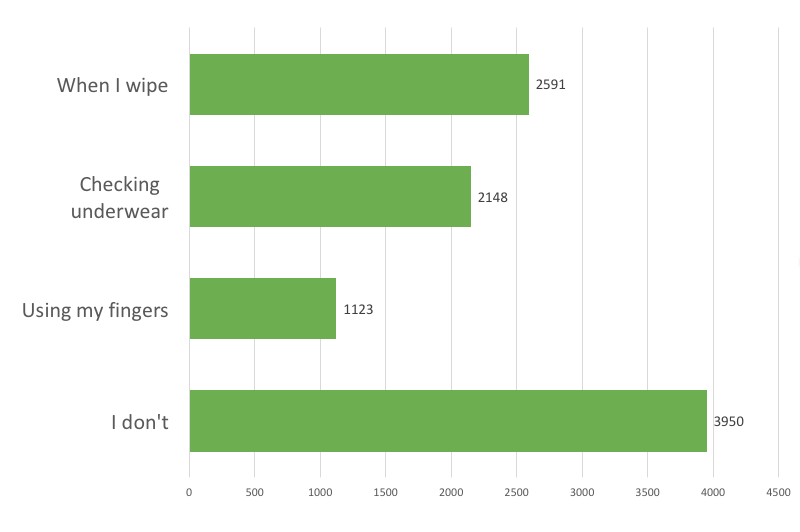
The best way to check the consistency of cervical mucus is with your fingers, try to stretch your cervical mucus between your finger and thumb. We asked 9,812 women how they check their cervical mucus, here are the results.
Dr Tash: Cervical Mucus & Predicting Ovulation
See our step-by-step guide for cervical mucus observations.
2. Cervix changes
The cervix plays a big role in the female reproductive system. Your cervix connects your vagina to your uterus and acts as a barrier which opens to allow sperm to enter your uterus when you're fertile and stays closed at other times.
You can learn when you're approaching ovulation by identifying the changes your cervix goes through.
We asked 9,823 women who were actively trying to conceive, if they were checking their cervix to learn when they were ovulating. Most said they didn't know how. Here are the results.
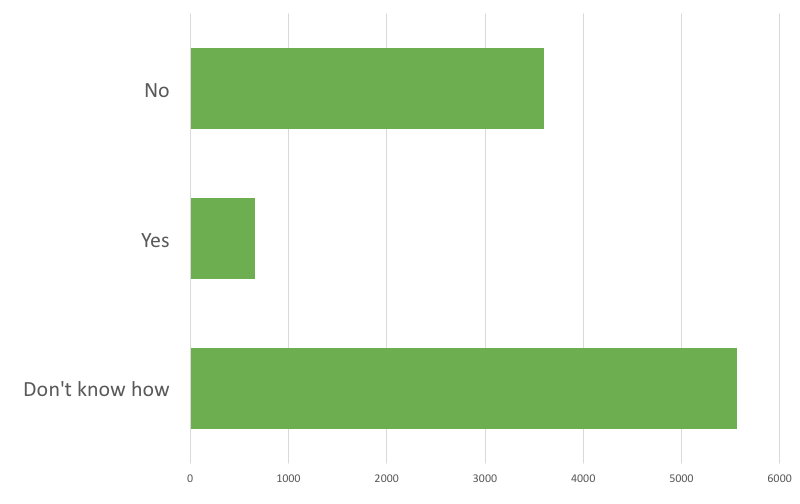
Your cervix position, opening and texture changes during the fertile phase of your cycle. These changes can be observed by feeling your cervix. The changes are easy to learn, but should be observed over a few cycles to ensure you are confident in identifying the changes.
Before fertile phase
Before your fertile phase your cervix will feel hard (like the tip of your nose), lower in the vagina, closed and dry (cervical fluid has dried up).
Fertile phase
As you enter your fertile window and approach ovulation your cervix will change. It will feel softer (like your lips), higher, open and wet (due to the presence of cervical fluid). This is known as 'SHOW' (soft, high, open, wet).
After fertile phase
After ovulation the cervix reverts back to its infertile position. You are most fertile when your cervix is in the 'SHOW' state.
Quick video by Dr Tash: Monitoring Your Cervix
See our step-by-step guide for cervix observations.
3. Basal Body Temperature (BBT)
Your BBT is your lowest temperature at rest, usually when you are sleeping.
Tracking your BBT is one of the best ways to detect if and when you ovulated.
We asked 8,796 women who were trying to conceive, if they were tracking their BBT.
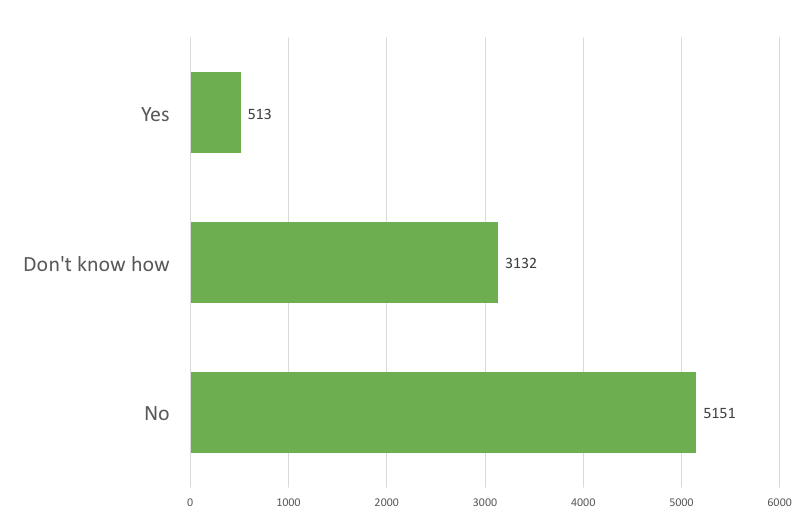
Read on to learn why you should and how to track your BBT.
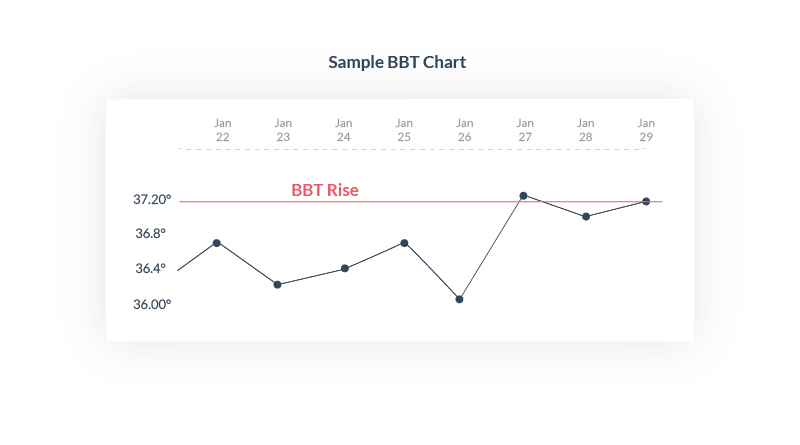
After ovulation, high levels of progesterone will cause your BBT to rise slightly and stay elevated until the end of your cycle (cycle days 15-20 in the events table). This natural fertility sign occurs after ovulation, so whilst you can't use it to help you this cycle, you can use it to help predict when you're fertile in future cycles.
The rise is only about 0.5 degrees F to 1.0 degrees F so you need to take your BBT with a digital thermometer that can measure to one tenth of a degree.
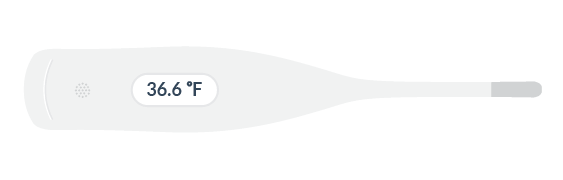
View detailed instructions on how to monitor your BBT, or see the overview below.
Starting from the first day of your period take your temperature each morning at the same time, as soon as you wake. It's important to take your temperature before it naturally increases from movements, so it's a good idea to set an alarm and take it before even sitting up in bed.
Take your temperature in your mouth by inserting the tip of the thermometer under your tongue and push it toward the back where the tongue meets the bottom of the mouth. Leave it in there long enough to get an accurate reading.
Do this each day and record the temperatures on a chart (there is one below you can download for free) or add them to your daily log in Ovulation Calculator. You will notice the temperature shifts and it stays higher until the end of your cycle. The shift happens about one to two days after ovulation.
4. Saliva ferning
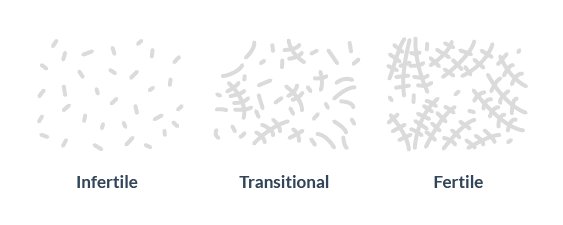
A ferning pattern of your saliva is another possible sign of when ovulation is about to occur. There are special microscopes for this purpose, but you could technically use a toy microscope. A ferning pattern is a pattern that looks like frost on a windowpane. The ferning pattern appears during the LH surge (cycle days 13-14 in the events table), which occurs about 24-36 hours before ovulation.
5. LH levels in urine
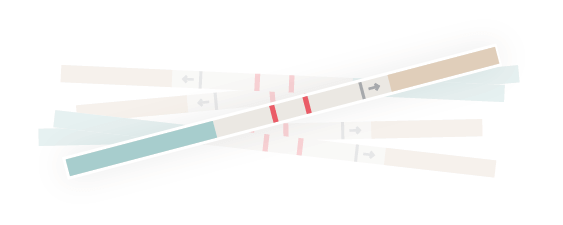
Although not a natural sign of fertility without the aid of an ovulation prediction kit (OPK), this is a popular way for women to find out when they are about to ovulate.
There are two types of kit available, those that check urine, and those that check saliva. We have mentioned the saliva type above.
Urine based OPKs look for the LH surge (cycle days 13-14 in the events table). The LH surge happens about 24-36 hours before ovulation, so they can be a good indicator to when you're fertile.
How to use an OPK correctly
As mentioned, OPKs look for this surge in LH and will show a positive result when this surge is detected. A positive result is expected the day before you are going to ovulate. However, unlike pregnancy tests that are looking for a hormone that is ONLY released AFTER conception, traces of LH are in your urine all the time. For this reason it's important you follow the manufacturer's instructions carefully.
Most OPKs will advise that you do not urinate for at least 4 hours before testing. This is to ensure that the hormone level in your urine is concentrated enough. And you should use the test the same time each day for consistency. Many women find that first thing in the morning is convenient. But check the instructions carefully to see what the manufacture recommends.
You are looking for the first positive result, so you need to begin testing before you expect to be fertile and then test every day until you get the first positive result. This is to ensure you do not miss the surge. If you test too late you may have missed the surge, but not only that, you may not be able to tell if you are about to ovulate or if you have already ovulated as you can have an increase in LH in both cases.
Again, it is important that you begin testing until you get the FIRST positive result. You then know that you should be ovulating in about 24-36 hours.
How soon should I begin ovulation testing?
It depends on the kit you purchase. The following table is an example.
| Cycle length | Cycle day (CD) to begin testing |
| 21 | CD 6 |
| 22 | CD 6 |
| 23 | CD 7 |
| 24 | CD 7 |
| 25 | CD 8 |
| 26 | CD 9 |
| 27 | CD 10 |
| 28 | CD 11 |
| 29 | CD 12 |
| 30 | CD 13 |
| 31 | CD 14 |
| 32 | CD 15 |
| 33 | CD 16 |
| 34 | CD 17 |
| 35 | CD 18 |
| 36 | CD 19 |
| 37 | CD 20 |
| 38 | CD 21 |
| 39 | CD 22 |
| 40 | CD 23 |
Types of urine based OPKs
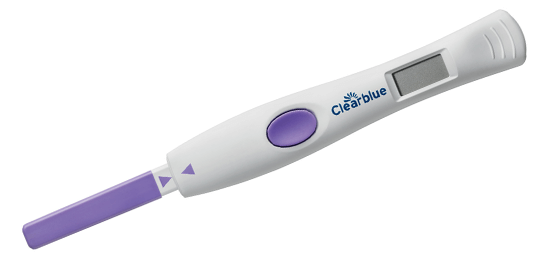
There are two main types of urine based OPKs, paper / plastic strips and digital.
Paper / Plastic Strips
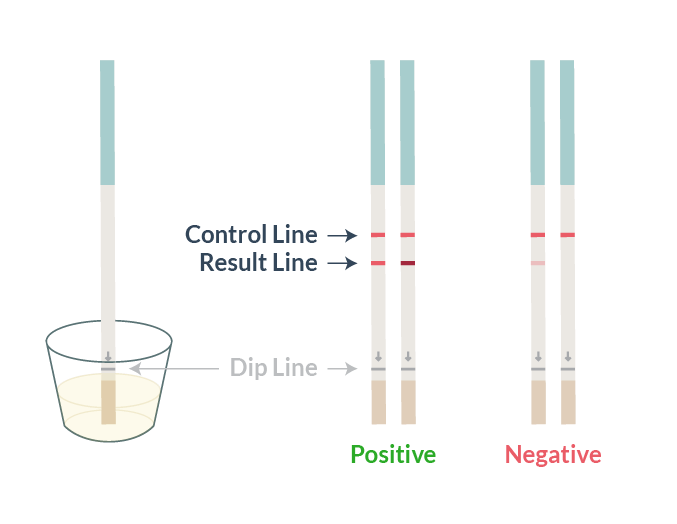
The paper and plastic strips can be used once. They have a control line and a result line. You dip the strip into a cup of urine for five seconds before checking the result. Some can be placed directly in your urine stream. A positive result is indicated when the result line is the same color or darker, than the control line.
Digital
The digital based kits show the result on a digital screen. Digital OPKs come with disposable test sticks that are fitted into the device before testing and then disposed of after testing.
Quick video by Dr Tash: Using An OPK
How soon are you wanting to get pregnant?
ASAP | Within 3 months | When it Happens
6. Slight spotting
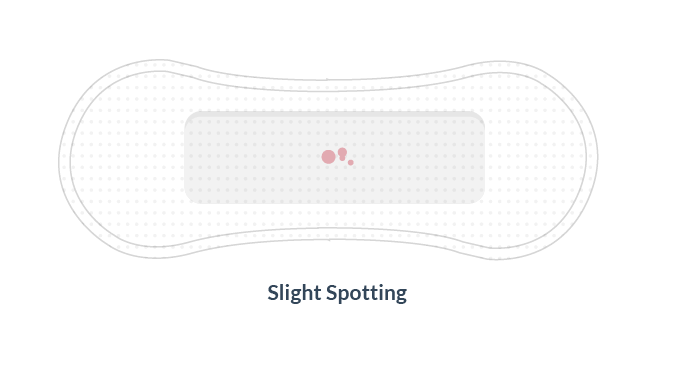
Some women may experience slight spotting due to a drop of estrogen at the time of ovulation. The drop in estrogen causes the endometrium (uterus lining) to decrease a little, causing slight spotting known as ovulation bleeding. Learn more about spotting due to ovulation.
7. Increased sexual desire
Several studies have found that women experience an increase in sexual desire when they are most fertile, around the time of ovulation.
8. Heightened senses
Hormone levels in a woman's body can influence a heightened sense of smell, taste or vision around ovulation time.
9. Ovulation pain
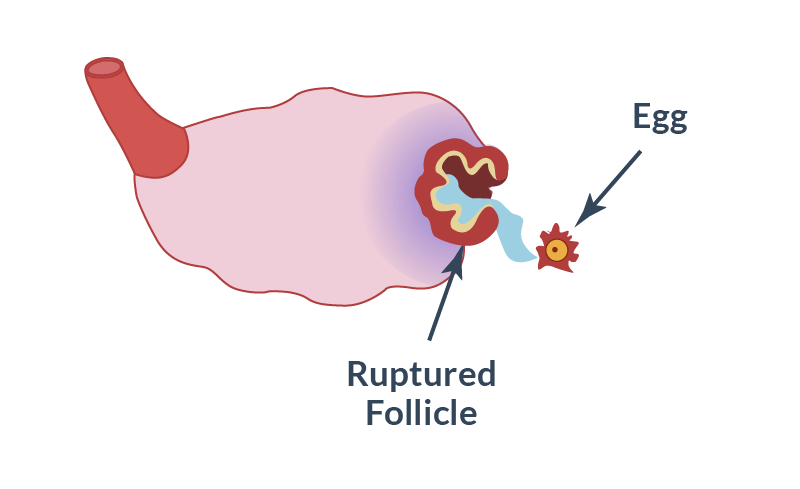
Some women can experience a sensation and or cramping type pain during ovulation. The pain is felt in the lower abdomen, on one side, being the side of the ovary releasing an egg. This pain is called mittelschmerz, which comes from the German words for "middle" and "pain."
See the image below to see the follicle rupturing and releasing its egg at ovulation.
10. Abdominal bloating
Another sign of ovulation is slight bloating. You may feel slightly bloated in the abdomen around the time of ovulation. This symptom can be caused by increased water retention due to a rise in the hormone estrogen.
11. Breast tenderness
Some women experience tenderness in their breasts just before or after ovulation. This is related to the hormones in your body, getting ready for ovulation and the potential of pregnancy.
12. Nausea or headaches
Some women feel nauseous or have headaches before ovulation, due to being sensitive to hormone changes.
Conclusion
Knowing when you're most fertile from your ovulation signs can increase your chances of getting pregnant sooner.
With a little bit of practice you'll get to know the pattern of events that happen each cycle and be able to pinpoint when you're ovulating.
The best time to have intercourse is in the two days leading up to ovulation day.
On average, women who use Ovulation Calculator get pregnant in 58 days versus the US National average of 180 days. Click here to get started.
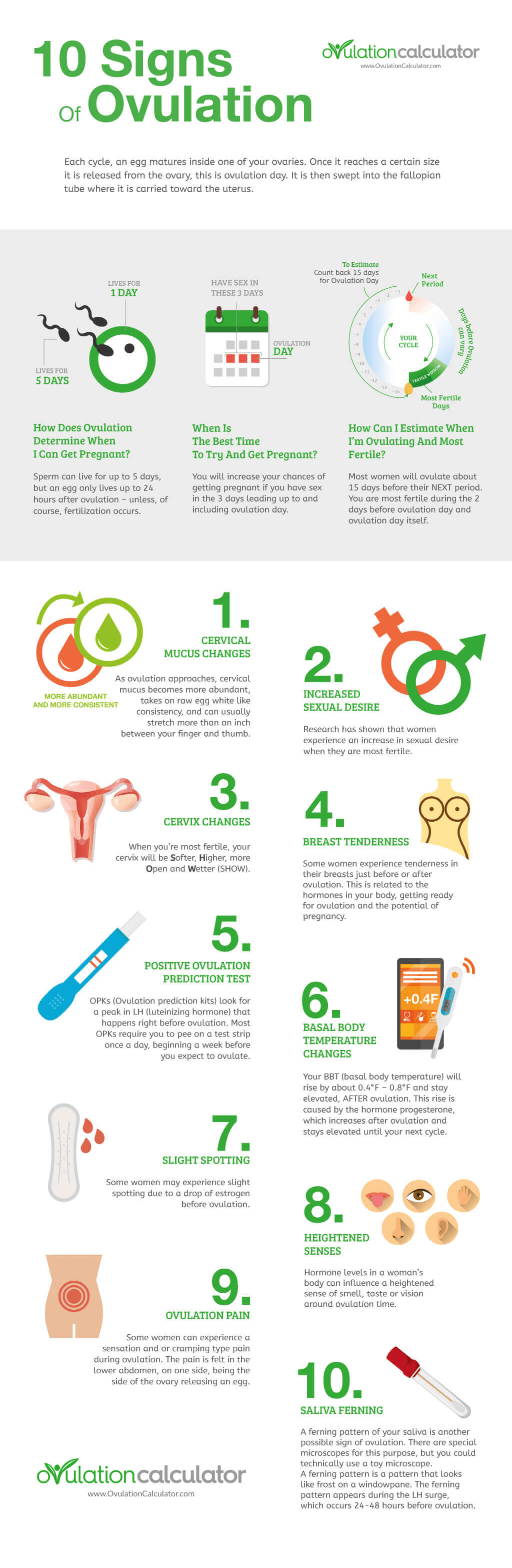
To help you remember the natural fertility signs, take a look at the following infographic.
Click here to see a larger view of the image
Embed the 10 Signs Of Ovulation infographic on your site (copy the code below):
By Philip Druce, Founder of Ovulation Calculator