20 Simple Ways To Increase Your Fertility [Proven]






By Philip Druce, Founder of Ovulation Calculator
With only a few days out of each cycle when sexual intercourse can result in pregnancy, an unproductive attempt can feel like a major setback. So, it's natural for any couple, regardless of fertility, to want to speed up the conception process and increase fertility.
Fortunately, there are some things you can do to help increase fertility and boost your chances of getting pregnant sooner.
Prepare your body for fertility
Preparing your body for pregnancy will not only help you increase your fertility, it will also give you and your baby the best chances of a successful and healthy pregnancy.
1. Stop taking birth control
This may seem obvious, but it remains on our list because it is important to know when you should stop taking your birth control.
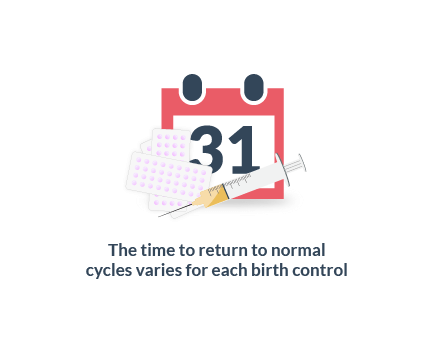
If you are taking the birth control pill, your normal cycles will resume almost instantly, and you may even get pregnant as early as the cycle after you stop taking the pill.
However, if you are using a longer-term birth control method, you may need to plan ahead. For example, the birth control injection Depo-Provera can protect against pregnancy for three months, but it may take up to a year or longer to return to your normal cycle after the last shot.
2. Preconception nutrition
Before getting pregnant, you will want to ensure that your body has all the nutrients it needs. Adopting important eating habits now, such as eating well-balanced meals, will help and you and your baby on the course to a healthy pregnancy.
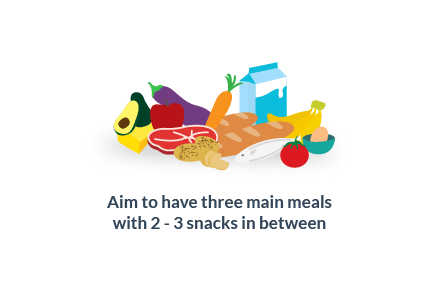
You should aim to have three main meals a day with 2-3 snacks in between meals. This will help prevent you from getting over hungry, as it is really hard to make healthy food choices when we are ravenous. The key to avoid getting over hungry is to not let more than 4-hours pass between eating.
3. Start taking a prenatal vitamin
Not only will your baby need vitamins when you do conceive, but there are certain vitamins that may help improve your chances of getting pregnant.
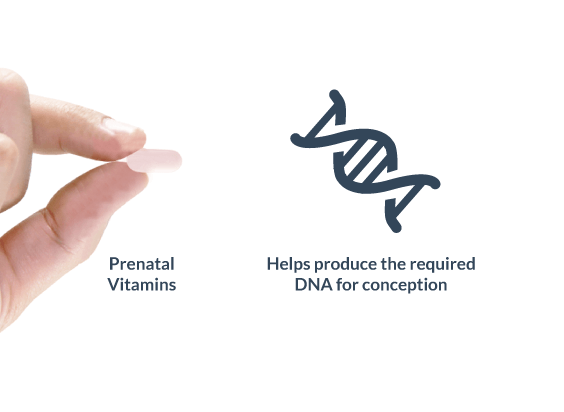
Stock up on B-family vitamins and folic acid. These are necessary for your body to produce the DNA and RNA needed in early conception.
Most women can benefit from taking a vitamin D supplement, but those who are trying to conceive should pay special attention to their levels of this essential vitamin. The skin converts the sun's rays to vitamin D, but in recent years, many of us have not be getting enough exposure to keep our vitamin D levels in a healthy range. Many know that vitamin D assists the body with calcium absorption to help build strong bones, but this vitamin is also crucial for hormone regulation.
Zinc may be the most widely-studied vitamin for its correlation with fertility in men and women, possibly because it is necessary for your body to efficiently utilize the hormones estrogen and progesterone.
Selenium, omega-3 fatty acids and vitamin E are also important for conception.
Rather than taking a handful of pills, look for a good quality prenatal vitamin.
4. Get the right amount of sleep
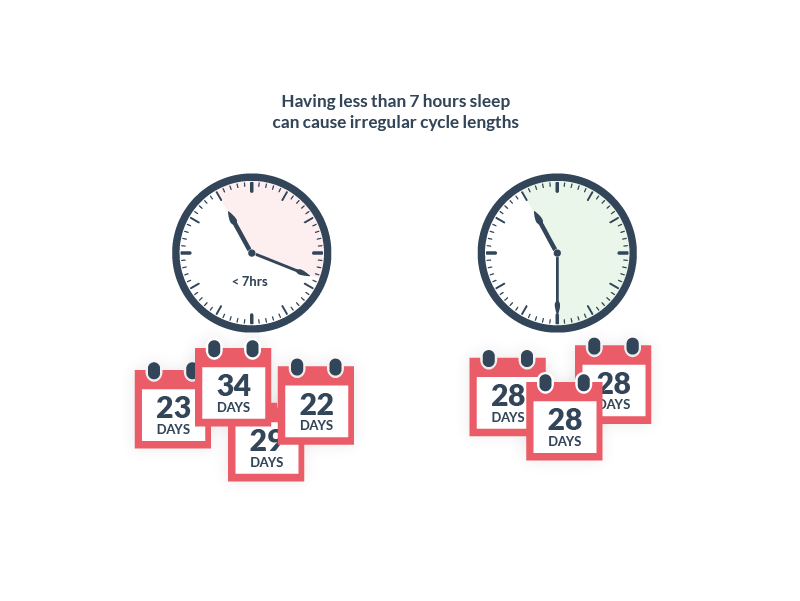
It's important that you get 7-8 hours sleep per night. Make it a priority. Research studies show that poor sleep habits can lead to irregular periods which can make it increasingly difficult to get pregnant. Also, when we are tired we are more likely to make poor eating choices leaving our bodies without the nourishment it requires as well as often putting on weight.
Pro Sleep Tip
Studies show that night shift workers can develop irregular cycles. Consider changing your shifts if you have not been able to get pregnant.
5. Exercise
Exercise is also a great way to prepare your body for pregnancy. Not only will stronger muscles help you carry around the extra baby weight, but your body will bounce back to its pre-pregnancy shape better if you are fit when you become pregnant and continue some level of exercise throughout pregnancy.
And there is yet another bonus. Women who exercise during pregnancy tend to have more energy than those who do not. Just be sure to talk to your doctor or midwife about your exercise plans when you become pregnant.
Some exercises are not healthy for the baby, so your doctor may recommend that you try something else or switch to a modified version of your previous exercise.
6. Get your weight under control
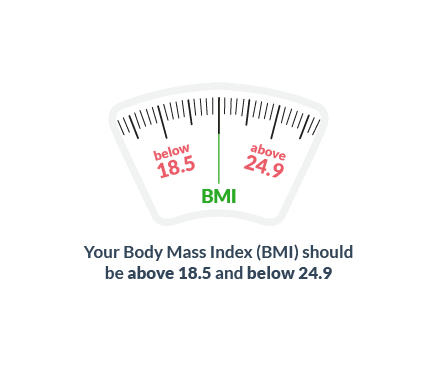 If you are over or under weight, it is time to make some dietary changes. If your body mass index (BMI) is over 24.9 or under 18.5, make an effort to get yourself to a healthier weight - especially while trying to conceive. Extremes on either end of the spectrum can impact your fertility - and not in a good way.
If you are overweight, try to adopt a healthy diet. Avoid starvation diets as these can also have a negative impact on fertility over time.
If you are under weight, you may benefit from consuming more calories in a day. Make an effort to add more healthy fats, such as nuts, coconut and avocado to your diet.
7. Cut back on the caffeine
More research needs to be done on this topic, but some studies have shown a link between caffeine consumption and the ability to conceive.
One cup of coffee contains about 100 mg of caffeine, and a cup of tea contains about 50 mg. You should aim to stop caffeine completely whilst trying to conceive, or at the very least, less than 100 mg each day. That includes all sources of caffeine such as coffee, tea, soft drinks, chocolate - not just coffee.
8. Quit drinking & smoking
Drinking and smoking not only reduce the likelihood of conception, but can lead to various complications during pregnancy and may contribute to other medical problems as the child grows.
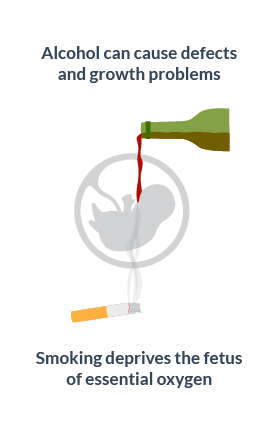
Smoking deprives your eggs, embryo, and fetus of essential oxygen which can hasten ovarian aging, and increase the chances of miscarriage.
Alcohol consumption during pregnancy can lead to "fetal alcohol syndrome" which can cause mental and physical birth defects and growth problems. If you want to increase your chances of conception and a healthy pregnancy, the best advice is to quit these habits as soon as possible.
9. Know when you're ovulating
Since there is only a very short window of time each cycle in which you can conceive, make the most of your increased fertility by knowing when you will be ovulating.
Your fertile window begins 5 days before you ovulate, and the most fertile days are the three days leading up to, and including, ovulation day. Having sex during your most fertile days will improve your chances of conceiving within any cycle. Each cycle, your body provides clues as to when you're most fertile and when you are about to ovulate. The most common of these include:
- Checking your cervical fluid (also known as cervical mucus) and/or checking your cervix position, texture and opening. Learn how.
- Charting your BBT (basal body temperature)
- Using an OPK (ovulation prediction kit)
- Tracking your cycles. Take a look at our advanced prediction system to help you track your cycle and ovulation.
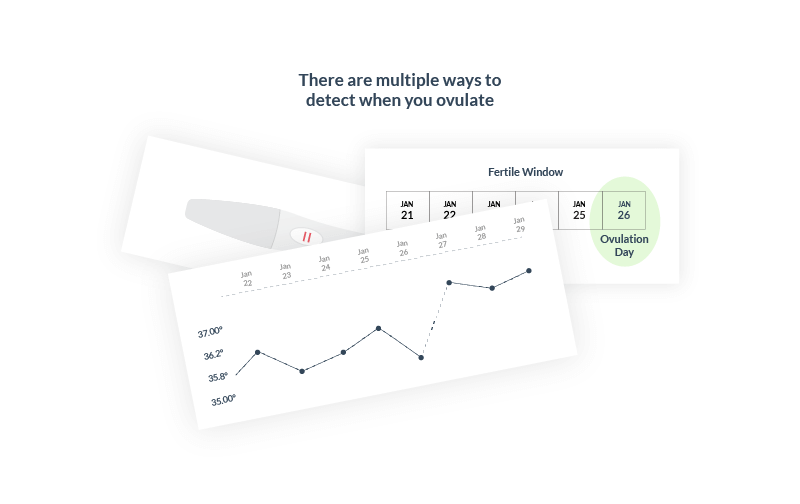
For more information on how to detect ovulation with these methods and others, please see this article: The 12 Best Ways To Detect Ovulation - Signs & Symptoms
10. Go for a preconception checkup
To make sure your body is ready for pregnancy, you can also see your doctor or OB/GYN for a preconception checkup.
Let him or her know that you are about to try to conceive. Your checkup may include a physical exam and some expert advice.
Your doctor may also recommend genetic testing. This is a simple test that usually involves a saliva or blood sample from you and your partner. This test helps determine whether you are a carrier for serious inherited illnesses. While this particular test may not speed up conception, it is likely the single most important test you can have to ensure you will have a healthy baby.
11. Keep testicles cool
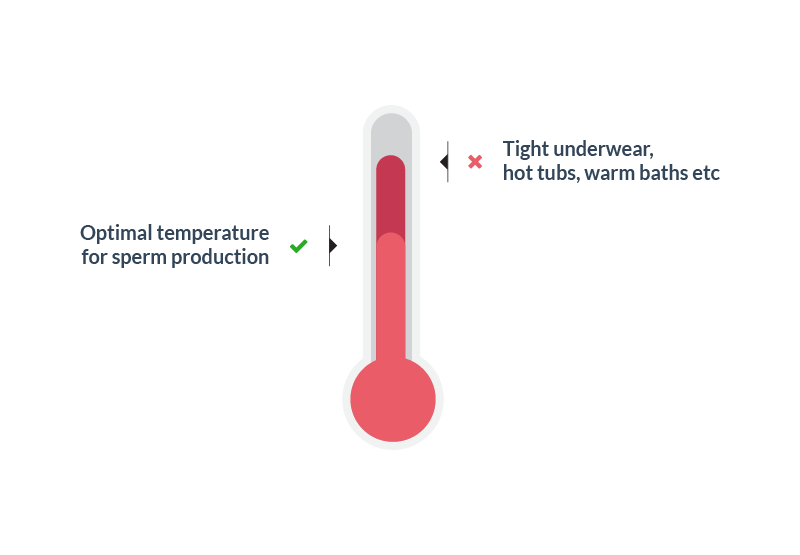
The testicles hang away from the body for a reason. Optimal sperm production happens in a cooler environment than the rest of the body. This is why the testicles are usually about three degrees cooler than the rest of the body. Tight underwear can force the testicles closer to the body, thus warming them up. Also, avoid hot tubs, saunas and hot baths when trying to conceive. There is no evidence that these things cause long-term harm, so you can go back to soaks in the hot tub after you have conceived.
12. Have regular sex
Sex is a hot topic when it comes to conception and fertility. When and how often to have sex are among the most common questions couples have when trying to conceive. So, what are the facts? When and how often should you have sex to increase fertility?
How having sex regularly can boost fertility
Most healthy, fertile couples are advised to have sex every two to three days during the woman's fertile window in order to boost the chances of conception.
Some experts believe that a short break in sexual activity will give the man's body time to replenish sperm. When men go for a few days without ejaculating, the number of sperm in the epididymis at the top of the testicle increases, so if you have concerns about sperm count, having sex every two to three days makes sense.
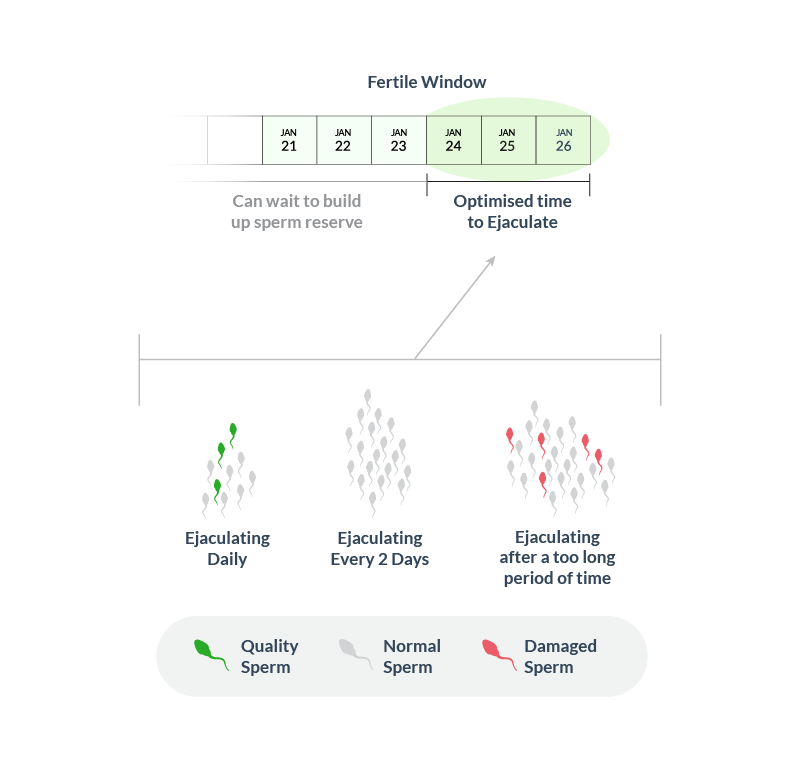
An Australia IVF study found that having sex daily for a period of seven days substantially improves the genetic quality of sperm without lowering sperm count enough to impair fertility. More studies must be done on the impact of daily sex on pregnancy rates, but it is promising news for couples who are trying to conceive. The 2009 study found that the longer sperm sits in the epididymis, the more genetic damage it accumulates through heat damage and free radicals. Ejaculating regularly empties the sperm reservoir, which is why experts have recommended holding off for a few days, but it also ensures that newer, better-quality sperm can make their way to the egg.
13. Keep sex fun
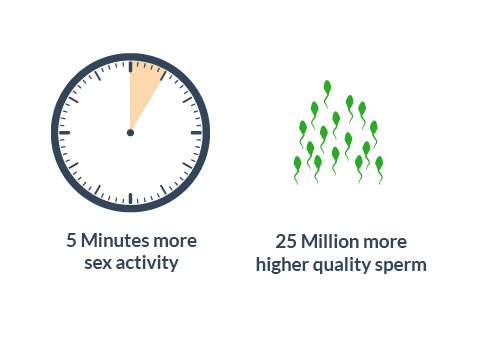
"Wild and thrilling" sex is the key to conception says Professor Allan Pacey - men ejaculate around 250 million sperm but can ejaculate up to 50% more when fully stimulated. With just an extra five minutes of sex activity before ejaculation can produce up 25 million more sperm. This "additional" sperm is of a higher quality and has a greater chance of fusing with the egg. Read more of Professor Allan Pacey's Journey of Sperm
14. Get the timing right
Start having sex two days before you are due to ovulate. This is your most fertile period, and your fertile period will also include the third day when you actually ovulate.
What if our schedules only allow for sex once during a fertile cycle?
If you are limited to just one chance to make a baby during a fertile cycle, take it. If you are concerned about sperm quality, you may recommend that your partner masturbate a day or two before you try to conceive.
15. Be picky about lubricants
Saliva and several over-the-counter lubricants can actually reduce your chances of conceiving. If you are trying to get pregnant, avoid commercially available water-based lubricants and products that have spermicidal properties.
16. Sex position
Whilst there is no scientific research to back up "which sex position is best", it is believed the missionary (man on top) is best as it gives sperm the best chance of reaching the egg through the cervix due to gravity.
17. Spend more time in the sun
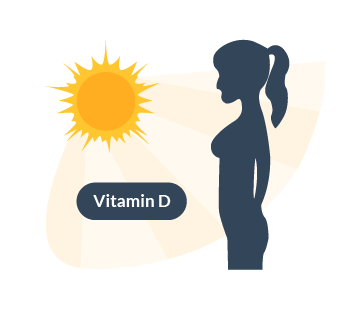
Is it a coincidence that many women seem to conceive on vacation? This phenomenon may be caused by a variety of things, free time included, but we cannot discount the power of the sun's rays. The body uses them to create vitamin D, which plays a role in hormone production.
18. Reduce stress
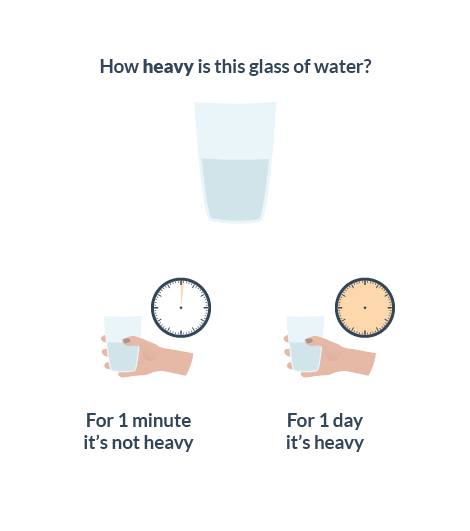
Reducing stress can increase ovarian activity, which may increase your fertility and chances of getting pregnant.
It's important to let go of whatever stresses you have. Here's a great example...
19. Seek professional help
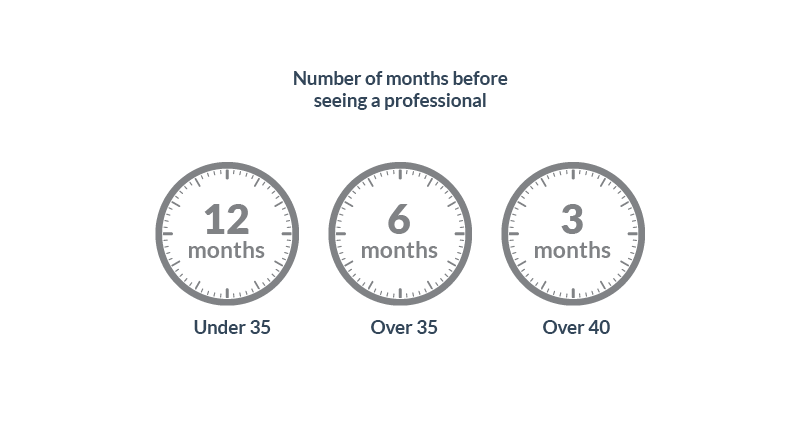
Whilst we completely understand that seeing an infertility specialist is not affordable for some, it's important that you seek advice from at least your family doctor on what your next steps to take are if you are unable to get pregnant naturally after some time. It's recommended you see a Doctor after:
- 35 or under - after 12 months of trying
- Over 35 - after 6 months of trying
- Over 40 - after 3 months
20. Relax and enjoy the process
Once you have done everything in your power to hasten conception, it is time to sit back and enjoy the process. Enjoy this time with your partner and look forward to the family you have decided to start.
These are all tips that could help put you on the path of giving birth to your very own bundle of joy. The most important thing however is to give these tips an opportunity to work and to enjoy the process.